













































Towards an Understanding of Augmented Reality Extensions for Existing 3D Data Analysis Tools
Description:

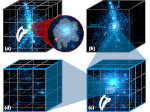
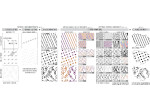
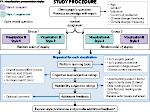
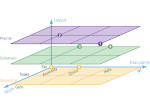
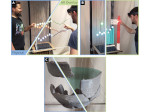
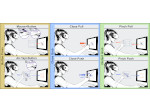
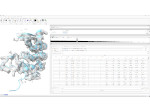
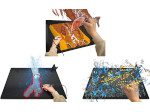
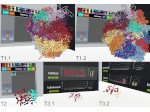
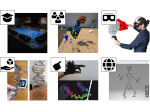
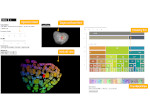
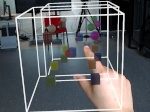
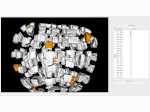
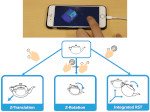
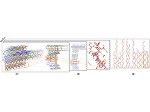
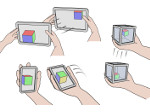
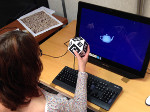
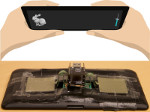
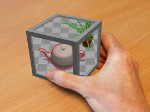
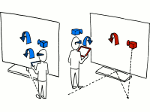
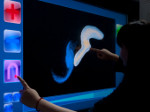
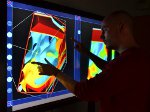
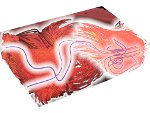
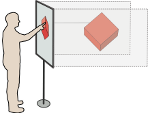
We present an observational study with domain experts to understand how augmented reality (AR) extensions to traditional PC-based data analysis tools can help particle physicists to explore and understand 3D data. Our goal is to allow researchers to integrate stereoscopic AR-based visual representations and interaction techniques into their tools, and thus ultimately to increase the adoption of modern immersive analytics techniques in existing data analysis workflows. We use Microsoft's HoloLens as a lightweight and easily maintainable AR headset and replicate existing visualization and interaction capabilities on both the PC and the AR view. We treat the AR headset as a second yet stereoscopic screen, allowing researchers to study their data in a connected multi-view manner. Our results indicate that our collaborating physicists appreciate a hybrid data exploration setup with an interactive AR extension to improve their understanding of particle collision events.
Paper download:  (11.4 MB)

Study materials and data:
Our study materials and data can be found in the following OSF repositories: osf.io/7qegs and osf.io/ekdvr.
Video:
virtual CHI 2020 paper presentation:
Get the videos:
- download the paper video (1080p30, MPEG4, 331MB),
- watch the paper video on YouTube,
- download the 30s teaser video (1080p30, MPEG4, 38MB),
- watch the paper presentation video on YouTube.
Pictures/visualizations:


Main Reference:


Other References:

| Xiyao Wang (2020) Augmented Reality Environments for the Interactive Exploration of 3D Data. PhD thesis, Université Paris-Saclay, France, December 2020. |   

| ||
This work was done at the AVIZ project group of Inria, France, in collaboration with researchers at CERN.